• How Enterprise Architecture Drives Real Business Value: Four Key Impact Areas

    In today’s fast-paced digital landscape, Enterprise Architecture (EA) often gets misunderstood or overlooked. While IT teams have well-defined roles—developers build, operations support, security protects—EA can sometimes struggle to clearly explain its value. But what if EA was the secret weapon that aligns business strategy and technology to unlock measurable growth, reduce costs, and guide transformational decisions?

    In this post, we explore four ways Enterprise Architecture delivers real, quantifiable business value—and the metrics that prove it.

    EA: The Art of Aligning Business and Technology

    At its core, Enterprise Architecture is about aligning business strategies—typically focused on increasing revenue or cutting costs—with technology initiatives that support those goals. By mapping business strategies to technology capabilities, EA uncovers opportunities that directly impact revenue growth or cost reduction.
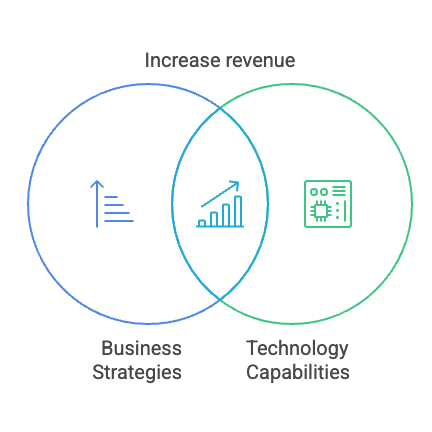
    Enterprise Architects serve as co-sponsors alongside business leaders on projects, owning the technology components that span multiple teams. This cross-team ownership enables projects to deliver clearly traceable business outcomes.

    Key Metrics to Track EA Value:

    • Number of EA-sponsored initiatives tied to business costs or revenue goals
    • Total value delivered (e.g., dollars saved, increased operating income or revenue)
    • Time-to-value for EA-led projects
    • Business stakeholder satisfaction (survey or NPS scores)

    Example:
A health insurer wants to reduce claim adjudication time. EA identifies automation opportunities and architects an AI-driven system that cuts processing time by 40%.

    Optimizing Technology Spend for Maximum Impact

    Another vital role for EA is managing and optimizing technology investments. Enterprise Architects should own the oversight of tech spend, spotting redundancies and opportunities for consolidation. More than just technology choices, this involves financial analysis—like net present value (NPV)—to ensure migration or transformation initiatives deliver positive returns.

    A common approach is to control spending on legacy systems while onboarding new platforms for evolving needs, retiring outdated technologies as part of larger transformation efforts.

    Key Metrics to Track Spend Optimization:

    • Percentage of technology spend reviewed by EA
    • NPV of rationalization initiatives
    • Percentage of optimization ideas executed

    Example:
EA discovers three business units using different document management tools. By consolidating to a single modular platform, the organization saves $1.2 million annually and simplifies employee training.

    EA as an Internal Consulting Partner

    Enterprise Architecture can also act as an internal consulting arm supporting both CIOs and business leaders. To do this effectively, EAs must bring not only have technical expertise but also industry-specific knowledge—akin to consulting firms like McKinsey or Deloitte. The operating model for EA needs to evolve as we will see in subsequent post to include leaders from domains such as Product, and Business Subject matter experts.

    By leading focused engagements on specific business challenges, EA teams guide strategic problem-solving and operational improvements.

    Key Metrics for Consulting Impact:

    • Number of business-initiated EA engagements
    • Impact on operational KPIs driven by EA-backed changes

    Example:
EA facilitates a discovery workshop with clinical operations to improve pre-op and post-op workflows. They design a new process supported by automation and patient-facing apps, reducing no-show rates by 15%.

    Guiding Strategic Decisions in Large Transformations

    Finally, Enterprise Architecture plays a critical role in guiding major transformation programs. By gathering detailed information on current state architectures, EAs inform crucial decisions—like infrastructure choices—that can be quantified in terms of business value. Most organization undergo large transformation to replace legacy systems, embrace cloud, data and AI technologies which are often informed by key initial decisions that shape the technology trajectory

    These insights ensure transformations align with both technical realities and business objectives.

    Key Metrics to Measure Strategic Influence:

    • Percentage of strategic decisions influenced by EA
    • Estimated business value enabled by EA guidance

    Example:
EA conducts a review of infrastructure across multiple facilities and recommends a hybrid cloud approach that complies with regional data laws while enabling advanced AI analytics for population health initiatives.

    Conclusion

    Enterprise Architecture isn’t just about frameworks and diagrams—it’s a powerful business enabler that connects strategy to technology, optimizes spend, drives internal consulting, and shapes transformative decisions. By focusing on measurable outcomes, EA can clearly demonstrate its value and become a trusted partner in achieving organizational goals.


  • How Enterprise Architecture Enabled Admissions Growth for an Outpatient Surgery Center

    🎯 The Business Strategy

    A regional outpatient surgery center sets a strategic goal:
    “Increase patient admissions by 20% year-over-year.”

    Leadership believes growth is achievable through better referral conversion and faster intake, especially from affiliated providers. But something is stalling the volume.


    🔍 EA Engaged to Translate Strategy into Execution

    Enterprise Architecture is brought in to lead the diagnostic effort and ensure any technology investments directly support the admissions growth target.

    Leverage Current State understanding
    EA is able to leverage their understanding of the current state to conducts an accelerated and joint discovery with business and operations teams, focusing on admissions workflows and technology touchpoint. Activities include:

    • Mapping the patient intake process from referral to scheduling
    • Reviewing existing EHR and referral management tools
    • Interviewing care coordinators and provider liaisons

    Findings:

    • The referral process is mostly manual—paper forms, fax, and phone calls
    • Intake coordinators spend excessive time following up on missing patient data
    • Scheduling happens after multiple handoffs, increasing cycle time
    • No real-time integration with referring provider systems

    💡 Technology-Driven Recommendation

    Based on current-state gaps and the admissions growth goal, EA proposes a future-state solution powered by intelligent automation and interoperability.

    Key Architecture Recommendations:

    1. Referral Intake Automation with AI
      • Deploy AI/ML to scan incoming faxes/emails and extract key patient/referral data
      • Use Natural Language Processing (NLP) to classify referral types and urgency
      • Automate patient record creation in EHR
    2. Referring Provider Integration Layer
      • Implement an interoperability platform (e.g., HL7/FHIR gateway)
      • Allow secure electronic referrals and real-time status tracking from partner clinics
      • Enable bi-directional communication and eliminate manual status calls
    3. Workflow Orchestration and Dashboards
      • Digitize intake workflows with rule-based routing
      • Add dashboards for referral conversion rates, cycle times, and bottlenecks
      • Enable proactive exception handling

    📈 Measurable Impact

    Projected Outcomes (tied to business KPIs):

    • Referral intake cycle time reduced by 60%
    • Manual follow-ups cut by 75%
    • Referral-to-schedule conversion rate improved by 30%
    • Admissions volume increased by 18% in six months

    🎓 Why This Matters

    This initiative is a textbook example of EA translating strategy into execution:

    • Business Driver: Admissions growth
    • EA Action: Current-state analysis + process mapping
    • Technology Solution: AI intake + provider integration
    • Outcome: Operational efficiency and higher referral conversion

    By owning the cross-functional design and driving alignment between business intent and technology delivery, EA proves its role as a strategic enabler—not just an architectural reviewer.

  • Evaluating a Personalization Engine: Build vs. Buy in Retail eCommerce

    In the fast-paced world of eCommerce, delivering a personalized shopping experience can be the difference between conversion and cart abandonment. A vendor pitches a plug-and-play AI-driven personalization engine that promises to improve product recommendations, boost conversion rates, and increase revenue per user.

    The pitch is promising—but is it better to buy, or should the company build its own personalization engine in-house?

    This is where Enterprise Architecture (EA) steps in to bring financial and architectural rigor to the decision-making process—by modeling each option using Net Present Value (NPV).


    🛍️ Business Context

    The eCommerce company currently uses basic product recommendation rules. They are exploring a more advanced AI-based personalization solution that can:

    • Use behavioral and transaction data
    • Dynamically update product rankings
    • Personalize search and landing experiences

    The estimated revenue uplift from improved personalization is $400,000/month, once fully implemented.


    📊 Two Options on the Table

    Option 1: Buy Off-the-Shelf Solution

    • One-time integration cost: $1.2M
    • Annual subscription/license cost: $1.8M ($150K/month)
    • Time to deploy: 3 months
    • Revenue uplift starts in Month 4

    Option 2: Build In-House

    • Development cost: $4M
    • Annual maintenance & infrastructure cost: $600K ($50K/month)
    • Time to build: 9 months
    • Revenue uplift starts in Month 10
    • Opportunity cost (delayed benefit): $400K/month during those 9 months

    🧮 NPV Assumptions

    • Revenue benefit: $400K/month
    • Discount rate: 8% annually (~0.64% monthly)
    • Planning horizon: 5 years (60 months)
    • NPV calculated monthly

    📦 Option 1: Buy Off-the-Shelf

    Cash Flows:

    • Months 1–3: -$150K/month (no revenue yet)
    • Months 4–60: +$250K/month = ($400K revenue – $150K subscription)

    NPV Summary:

    • Month 0: -$1.2M
    • Discounted Months 1–3: -$437,224
    • Discounted Months 4–60: +$8,555,842

    ➡️ Total NPV = $6,918,618


    🧱 Option 2: Build In-House

    Cash Flows:

    • Months 1–9: -$450K/month = ($50K infra + $400K opportunity cost)
    • Months 10–60: +$350K/month = ($400K revenue – $50K run)

    NPV Summary:

    • Month 0: -$4M (build cost)
    • Discounted Months 1–9: -$3.56M
    • Discounted Months 10–60: +$8.82M

    ➡️ Total NPV = $1.26M


    🧾 Final NPV Comparison

    Option5-Year NPV
    Option 1 – Buy$6.92M
    Option 2 – Build$1.26M

    🚀 Conclusion: Speed Wins in Retail

    The off-the-shelf personalization engine delivers nearly 5.7x more NPV than the in-house build, thanks to:

    • Rapid deployment (3 months vs. 9 months)
    • Earlier revenue realization
    • Avoidance of large upfront opportunity cost

    Even though building in-house offers lower run cost long-term, the delay in benefit realization and heavy development investment result in significantly lower NPV.


    💡 Key Takeaways for eCommerce Leaders:

    • Personalization is a revenue driver—delay has a real cost.
    • Use NPV to compare build-vs-buy beyond just IT costs.
    • Enterprise Architecture can quantify the tradeoffs between speed, spend, and strategic alignment.
  • 6 Steps Enterprise Architects Take to Enable Business Outcomes

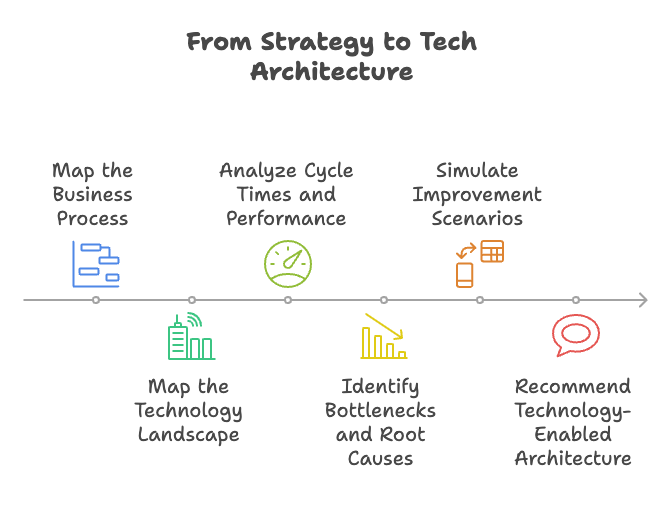
    When business leaders set strategic goals—like accelerate growth or reduce service cycle times—they’re often met with complex processes, outdated systems, and data gaps. This is where Enterprise Architecture (EA) steps in—not to lead everything, but to partner with operations, business, and IT to ensure that technology enables the right outcomes.

    Let’s break down how EA contributes, approach business leaders can take by partnering with Enterprise Architecture and the technology tools that can help at each step.

    This approach combined with decision scorecard to select a particular path forward are critical to align business and technology with help of Enterprise Architecture.


    🎯 Step 1: Map the Business Process

    Purpose:
    Visualize the current workflow to identify where time, handoffs, or manual steps create friction.

    Activities:

    • Facilitate or support journey mapping workshops
    • Document process variants across departments or locations
    • Overlay user roles and key decision points

    Tools:

    • SAP Signavio Process Manager
    • ARIS
    • Lucidchart or Miro (for early collaboration)
    • BPMN or UML for standardized modeling

    EA’s Role:
    EA supports by standardizing modeling, linking steps to systems, and ensuring alignment to enterprise workflows.


    🧩 Step 2: Map the Technology Landscape

    Purpose:
    Identify systems involved in the current process and highlight integration or data gaps.

    Activities:

    • Create system-to-process overlays
    • Identify manual vs. automated handoffs
    • Document integration points (or lack thereof)

    Tools:

    • LeanIX, Ardoq, or MEGA HOPEX (application portfolio management)
    • ServiceNow CMDB or Azure DevOps (for linking infra/data flows)
    • Signavio’s Process Insights (for process-to-system traceability)

    EA’s Role:
    EA validates current state, ensures architecture is well-documented, and evaluates whether systems align with strategic intent.


    ⏱️ Step 3: Analyze Cycle Times and Performance

    Purpose:
    Quantify how long the current process takes, where delays occur, and what effort is required to improve the process

    Activities:

    • Gather process metrics from different systems or manual logs
    • Analyze average and variance in processing time
    • Track number of manual follow-ups, retries, or rework

    Tools:

    • Signavio Process Intelligence (process mining)
    • Celonis (deep event log analysis)
    • Power BI, Qlik, or Tableau (custom performance dashboards)

    EA’s Role:
    EA supports defining meaningful metrics, validating assumptions, and linking performance breakdowns to architecture or integration issues.


    ⚠️ Step 4: Identify Bottlenecks and Root Causes

    Purpose:
    Spot the specific parts of the process and systems that cause delays, friction, or drop-off in process.

    Activities:

    • Review analytics and process mining outputs
    • Interview intake staff and business SMEs
    • Correlate system lags with process wait times

    Tools:

    • Signavio or Celonis (automated bottleneck heatmaps)
    • Miro or Confluence (for collaborative cause-effect mapping)
    • Jira Align or Smartsheet (to track pain point remediation)

    EA’s Role:
    EA frames the impact of bottlenecks in terms of business value—e.g., lost orders, delayed care, or increased staff load—and prepares for architectural recommendations.


    🧪 Step 5: Simulate Improvement Scenarios

    Purpose:
    Model what would happen if the bottlenecks were addressed using automation, integration, or new tools.

    Activities:

    • Run future-state simulations
    • Estimate impact on cycle time and staffing
    • Model cost-benefit and NPV of new technology

    Tools:

    • SAP Signavio Process Simulation
    • Bizzdesign or iGrafx (for scenario modeling)
    • Excel-based NPV templates (to show ROI)

    EA’s Role:
    EA contributes solution patterns (AI, APIs, orchestration), helps validate feasibility with IT teams, and frames each option’s alignment to business strategy.


    💡 Step 6: Recommend Technology-Enabled Architecture

    Purpose:
    Present a future-state architecture that supports the business goal to improve the process cycle times, increase revenue or improve efficiency.

    Activities:

    • Propose solution building blocks (e.g., AI , unified experience, improved interoperability)
    • Show architecture alignment with enterprise strategy
    • Recommend phased delivery and trackable KPIs

    Tools:

    • LeanIX or Ardoq (to show target architecture)
    • Archimate for architectural blueprints
    • Portfolio/roadmap tools like Planview, Aha!, or Jira Align

    EA’s Role:
    EA ensures the solution is scalable, integrates with core systems, and is justified by business value—not just tech novelty.


    ✅ Final Thoughts: EA as Strategic Partner, Not Owner

    Enterprise Architects don’t lead these activities in isolation—but they play a crucial partner role:

    • Ensuring traceability between process, system, and strategic value
    • Guiding technology recommendations based on enterprise principles
    • Supporting simulation and architecture design to make business cases actionable

    By using tools like Signavio, LeanIX, and Celonis, EA teams can help organizations go from strategy to scalable solution—faster, with better clarity, and measurable outcomes.

  • Making Smarter Tech Decisions with NPV and Objective Evaluation

    In today’s fast-paced, technology-enabled business environment, organizations often find themselves at a critical crossroads: choosing between multiple solution options that promise to fulfill strategic goals. Whether it’s a new patient intake system in healthcare, a personalization engine in retail, or a modern ERP platform, the challenge is the same — how do we confidently decide which option best supports our strategy while delivering long-term value?

    This is where organizations must bridge the often wide gap between strategy and execution. And it starts with objective, financially grounded decision-making.


    🎯 Why Option Evaluation Matters

    Many tech investments fail not because the technology is flawed, but because:

    • The true costs and value over time weren’t properly modeled.
    • Decisions were based on gut feeling, internal politics, or legacy preferences.
    • Strategic factors like time to market, capability, and risk weren’t weighed in.

    To connect strategy to execution, you need to evaluate options using a structured, balanced framework that blends financial modeling (NPV) with strategic and operational criteria.


    💰 NPV: The Anchor of Financial Decision-Making

    Net Present Value (NPV) is a financial tool that helps compare the value of future benefits and costs in today’s dollars. It incorporates:

    • The timing of cash flows (earlier value = more valuable)
    • The magnitude of benefits and costs
    • A discount rate to reflect risk and opportunity cost

    Let’s say you’re evaluating two technology solutions:

    • A vendor product that can be deployed in 6 months
    • An in-house build that takes 12 months but costs less to run

    Even if the in-house option is cheaper in the long run, the delayed time to market means missed revenue — and NPV helps quantify exactly how much that delay costs in real terms.

    NPV turns subjective judgments like “faster is better” or “cheaper is better” into quantifiable comparisons rooted in business value.


    🧠 But NPV Isn’t Enough Alone

    While NPV is powerful, it doesn’t capture everything. Strategic and operational criteria are equally important — for example:

    • Strategic Fit: Does the solution align with our roadmap or create misalignment?
    • Time to Market: Are there time-sensitive benefits (e.g. regulatory deadlines or seasonal launches)?
    • Complexity & Risk: Is this a low-friction rollout or a high-risk integration?
    • Internal Capability: Do we have the skills to build and support it?

    These dimensions provide context that pure financial modeling can miss.


    🏗️ The Role of Enterprise Architecture: Translating Strategy into Action

    This is where Enterprise Architecture (EA) becomes essential.

    EA teams sit at the intersection of business goals and technology execution, uniquely positioned to:

    • Assess strategic alignment across business units and IT domains
    • Model financial and technical trade-offs across time horizons
    • Bridge discussions between technology leaders, product owners, and finance teams
    • Ensure compatibility with long-term platform and modernization roadmaps

    More importantly, EA brings the cross-disciplinary skill set required to make NPV actionable:

    • Understanding the architecture impact of each option
    • Estimating the true cost to build and operate
    • Anticipating integration, compliance, and lifecycle challenges
    • Supporting portfolio-level governance for scalable decisions

    In many organizations, EA serves as the neutral facilitator of option analysis — removing bias, aligning stakeholders, and ensuring decisions are grounded in enterprise-wide context.


    🧾 The Role of a Decision Scorecard

    To balance financial and strategic inputs, leading organizations use a decision scorecard — a structured tool that assigns weights and scores to each criterion (financial and non-financial).

    Here’s a simplified example of criteria in a scorecard:

    CriterionDescription
    NPVLong-term financial value
    Time to MarketSpeed of delivery and value realization
    Strategic FitAlignment with business goals
    Complexity & RiskTechnical difficulty and risk exposure
    Internal CapabilityAvailability of skilled resources

    Each option is scored on a 1–10 scale, and weights reflect what the organization values most (e.g. time to value vs. long-term control). The total weighted score supports a well-rounded decision.


    📏 Why Scoring Guidelines Matter

    A scorecard is only as good as the consistency of the scores behind it.

    Without guidelines, scoring becomes subjective all over again. What one person sees as a “7” another may call a “4.” That’s why it’s critical to define clear scoring rubrics. For example:

    • Strategic Fit:
      • 10 = Fully aligned with roadmap and key initiatives
      • 5 = Neutral impact
      • 1 = Conflicts with core strategy or direction
    • Time to Market:
      • 10 = ≤3 months
      • 5 = 6–12 months
      • 1 = 18+ months or uncertain

    This helps teams normalize evaluations, reduce bias, and ensure everyone is playing by the same rules.


    🧩 Connecting Strategy to Execution

    When done well, combining NPV analysis with a weighted scorecard of objective criteria, facilitated by Enterprise Architecture, enables:

    • Cross-functional alignment — Finance, Tech, and Business all speak the same language.
    • Clear trade-off discussions — Speed vs. control, cost vs. capability.
    • Transparent documentation — No more “gut feeling” decisions.
    • Enterprise coherence — Ensuring each decision fits into the broader architecture and transformation roadmap.

    🚀 Final Thoughts

    Connecting strategy to execution isn’t just about picking technology — it’s about making informed, transparent, and value-aligned choices.

    • NPV anchors decisions in business value.
    • Objective criteria provide strategic and operational context.
    • Scoring guidelines reduce inconsistency.
    • And Enterprise Architecture brings it all together with a systems-level view and multi-disciplinary thinking.

    If you’re serious about making smarter, faster, and more defensible tech investments, Enterprise Architecture isn’t a passive observer — it’s your decision-making engine.

  • Modern enterprises need their technology organizations to do more than keep the lights on—they need them to drive innovation, improve agility, and scale outcomes. But that requires more than tools or platforms. It requires Enterprise Architecture (EA) to operate as an embedded, strategy-driven function at the intersection of business and technology.

    To support this, CIOs must adopt a modern EA operating model—one where senior architects work alongside business and product leaders, not behind them. A model where architecture actively shapes strategy, informs investment decisions, and ensures delivery is grounded in scalable technology patterns.

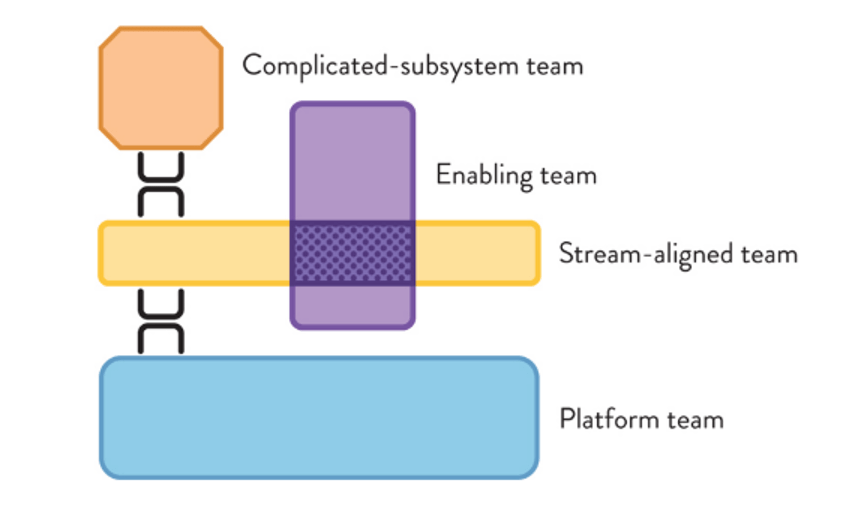
    The foundation for this shift lies in blending two powerful frameworks: SAFe (Scaled Agile Framework) and the team structure principles from Team Topologies.


    🧭 SAFe and Team Topologies: Structuring for Flow and Alignment

    SAFe provides a framework to organize around value streams—the core flows through which enterprises deliver value to their customers. It aligns work at the Portfolio, Solution, and Agile Release Train (ART) levels and introduces roles like Portfolio Architects, who provide architectural oversight and solution direction across business domains.

    Meanwhile, Team Topologies, authored by Matthew Skelton and Manuel Pais, offers a model for designing team structures and collaboration patterns that reduce friction and enable fast flow.

    In this context, Enterprise Architecture can operate as a small enabling team—not a command-and-control office. This team works across portfolios, products, and platforms to advise, accelerate, and align delivery teams with enterprise strategies. The EA team doesn’t build product features but helps others succeed in doing so by bridging business intent with architectural direction.


    🧠 Role of Senior Architects in Delivering Business Value

    Enterprise Architects are not just technical experts—they are connectors between CEO-level strategy and CIO-level execution. Their role is to:

    • Translate business outcomes into architecture and platform opportunities
    • Identify where new programs, platforms, or shared capabilities are needed
    • Ensure architectural decisions are made with long-term business scalability in mind
    • Serve as partners to product, operations, and delivery leaders early in the initiative lifecycle

    They typically operate in two distinct but connected engagement patterns.


    🔄 Two Ways Architects Drive Value in the Enterprise

    1. Business-Led Initiatives Requesting Technology Guidance

    Example: A business executive seeks to improve outpatient surgery admissions and requests technology input to automate referral intake.

    In this scenario:

    • The business brings the problem, not the solution.
    • A Portfolio Architect (within a SAFe portfolio team) partners with business leaders to define outcomes.
    • The EA team may be consulted to assess architectural alignment, validate technical options, or evaluate platform impact.
    • The recommendation is shaped into a technology initiative or Epic that aligns with long-term architecture strategy.

    Outcome: Portfolio architect enables the business to move faster with the right tools—while protecting platform and data integrity.


    2. Strategy-Led Initiatives Driven by Enterprise Architecture

    Example: The CEO sets a strategy to grow admissions by 20%. A lean EA team interprets this goal into technical and operational changes across intake, scheduling, and referral workflows.

    In this scenario:

    • Enterprise Architecture initiates the effort, starting with a capability map and current state assessment
    • They identify gaps in automation, system handoffs, and integration layers that slow down patient onboarding
    • EA then collaborates with SAFe portfolio teams to determine which value streams or ARTs should own and execute the changes

    Outcome: EA proactively translates strategic intent into executable delivery and ensures scalable architecture patterns are adopted from day one.


    👥 Sample Composition of a Lean EA Enabling Team

    To function as an effective enabling team, Enterprise Architecture must go beyond technology roles. It should reflect a multidisciplinary perspective that can influence both business and delivery. A typical team composition might include:

    RolePurpose
    Technology leadersOwns future-state architecture, evaluates patterns and platforms
    Product StrategistAligns architecture to product vision and customer experience
    Business SMEBrings domain-specific context and connects architecture to business workflows
    UX/Process AnalystEnsures user experience and workflow design are part of architectural recommendations
    Data or Platform LeadEnsures architectural decisions align with enterprise data and platform strategy

    This team doesn’t build product features—they equip and guide delivery teams to align with enterprise goals and drive measurable business value.


    ✅ Final Thoughts: Enterprise Architecture as a Strategic Enabler

    Modern CIO organizations can no longer afford to treat architecture as a post-design checkpoint. Enterprise Architecture must be activated as a core part of the operating model—helping convert strategy into systems, outcomes, and enterprise-scale capabilities.

    By blending SAFe’s portfolio and value stream structure with the lean, enabling team principles from Team Topologies, CIOs can ensure that:

    • EA is embedded early in business conversations
    • Portfolio teams shape and prioritize work with architectural alignment
    • Architecture is measured by business outcomes, not just technical conformance
    • Senior architects become liaisons across technology, product, and the business

    This is the operating model that allows architecture to deliver what it promises: a bridge between business ambition and scalable execution.

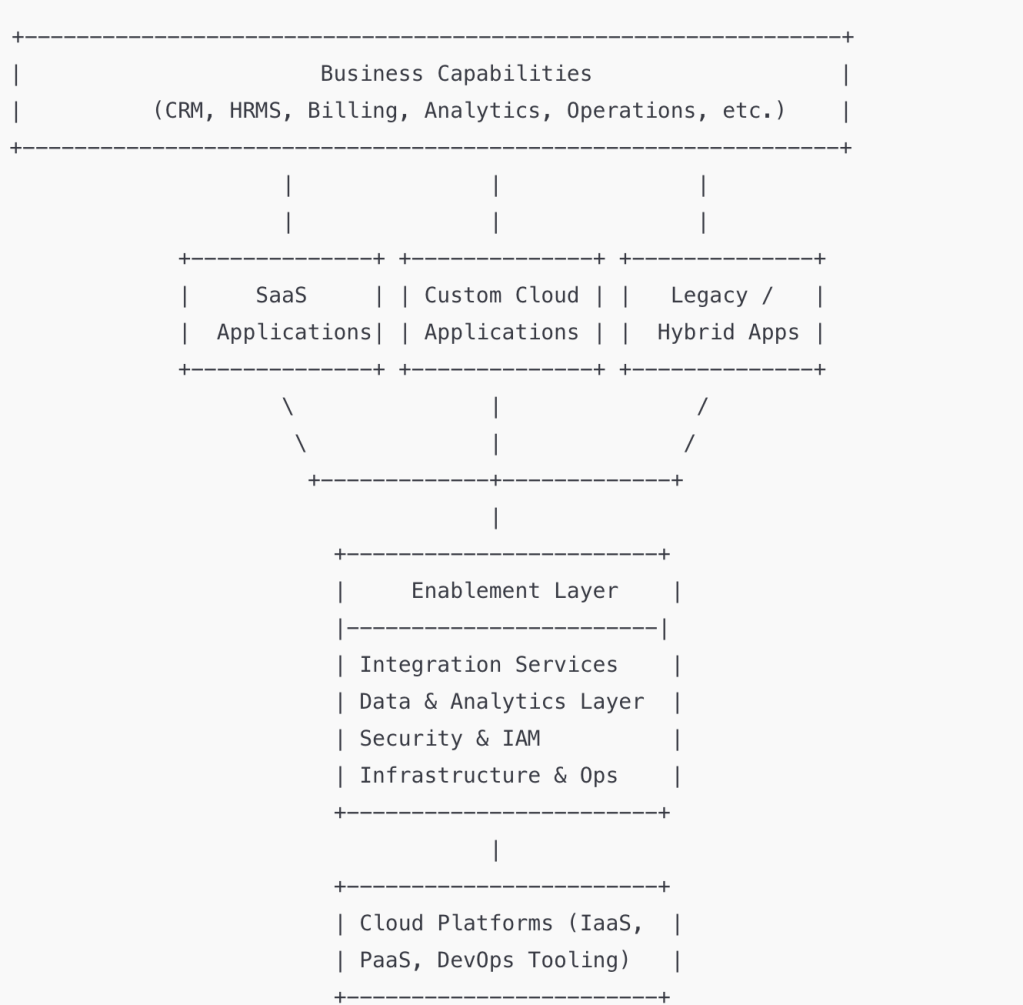
  • To effectively optimize technology spend, we must first establish a clear representation of the Enterprise. This foundation enables us to evaluate, document, and refine various models—not only to streamline systems but also to optimize labor costs.

    Representing today’s Enterprise with a conventional reference architecture diagram alone often leads to confusion or oversimplification. A common pitfall is trying to represent capabilities, components, technologies, deployment models, and cloud services all in a single diagram. These overloaded visuals often lose clarity and purpose—serving more as a poster than a practical tool for analysis or decision-making.

    In the past, reference architecture was typically equated with a neatly layered diagram—user interfaces at the top, business applications in the middle, and databases at the bottom. These diagrams served a clear purpose when enterprise systems were mostly homegrown, monolithic, and tightly coupled with point-to-point integrations.

    But that era is gone.

    Today, enterprise landscapes are dominated by SaaS platforms, cloud-native apps, hybrid deployments, and multi-cloud architectures. It’s time we stop treating reference architecture as a static diagram, and start treating it as a strategic guide that reflects the evolving complexity, composability, and modularity of modern enterprise technology.


    What Is a Reference Architecture—Really?

    Let’s clear up a common misconception:
    A reference architecture is not an architecture diagram.

    A reference architecture is a strategic guide. It captures:

    • The current and target state of enterprise systems
    • The evolutionary path of technology to support business transformation
    • The key decisions, constraints, and tradeoffs around integration, data, security, and scalability

    Yes, diagrams support it—but they’re just one of several artifacts.

    It’s also not an application or platform inventory. For that, we have modern tooling (like CMDBs or EA platforms) that can auto-generate dynamic views. A reference architecture goes beyond cataloging. It provides context, intent, and direction.


    The Legacy of the Architecture Diagram

    Historically, architecture diagrams had a clear function:

    • Communicate system structure
    • Represent a specific viewpoint for a defined audience
    • Anchor key decisions in visual form

    In the early 2000s, when most systems were built in-house and closely integrated, the classic 3-layer diagram worked:

    • User interfaces on top
    • Application and middleware layers in the middle
    • Databases and infrastructure at the bottom

    These diagrams showed systems in stacks. They made ownership and dependencies clear. They mapped reasonably well to the internal IT landscape.


    Why Traditional Diagrams No Longer Work

    Today’s systems are platformized, modular, and often externally hosted:

    • A single SaaS platform (e.g., Salesforce) can span all three traditional layers.
    • Custom applications may include embedded analytics, native security, and infrastructure abstraction.
    • Enterprise capabilities are built by stitching together services across multiple cloud providers.

    Traditional architecture diagrams fail to capture:

    • Cross-cloud and hybrid strategies
    • Distributed data ownership
    • Federated identity and security layers
    • Composable application stacks with internal and external services
    • The distinction between user-facing products and underlying platforms

    The “stacked box” model needs an upgrade.


    Cloud, SaaS, and the Rise of the Composable Enterprise

    Reference architectures must now reflect:

    • Multi-cloud reality: Most enterprises use both Microsoft and AWS (and sometimes Google Cloud). Microsoft dominates collaboration and identity, while others offer specialized compute or analytics capabilities.
    • SaaS-centric architectures: Enterprises use dozens (or hundreds) of SaaS apps—each with its own data model, access pattern, and integration requirements.
    • Cloud-native development: Strategic applications are increasingly built on PaaS and containerized services—not on-premise middleware.
    • Data ownership and control: Data now flows between cloud platforms and SaaS providers. How do you ensure consistency, governance, and compliance?
    • Unified observability and security: Monitoring and securing distributed systems requires consolidated platforms that enforce consistent policies and alerts.

    A modern reference architecture needs to show this reality.


    Products vs. Platforms: Why It Matters

    Architecture diagrams often fail to distinguish between:

    • Products: Bought, configured, and used (e.g., ServiceNow, Salesforce, Workday)
    • Platforms: Extended, integrated, and built upon (e.g., AWS, Azure, Kubernetes, MuleSoft)

    This distinction matters:

    • Platforms have extensibility models, shared governance, and shared operational responsibility.
    • Products typically solve bounded problems and are integrated into broader workflows.

    Your architecture should make this semantic difference visible. It affects how solutions are architected, deployed, supported, and evolved.


    Rethinking the Diagram: A Top-Down View

    To reflect today’s enterprise reality, a modern reference architecture diagram should:
    ✅ Start from business domains, not just applications
    ✅ Show anchor technologies and strategic custom builds
    ✅ Map multi-cloud usage and integration strategy
    ✅ Include data ownership, API gateways, and observability
    ✅ Show security, integration, and infrastructure platforms as first-class layers
    ✅ Be modular, with different views for developers, architects, security teams, and business leaders

    This is no longer a one-size-fits-all blueprint. It’s a flexible visual model—one that evolves along with your business and tech strategy.


    Final Thought: Reference Architecture Is a Strategic Asset

    Reference architecture isn’t just about diagrams—it’s about clarity, communication, and enablement.

    Treat it like a product:

    • Continuously updated
    • Versioned
    • Modular
    • Stakeholder-aware
    • Tied to tangible outcomes and transformation roadmaps

    By rethinking both the what and the how of architecture, enterprise teams can shift from documentation to strategic alignment—delivering not just systems, but solutions that scale.

  • 🔧 What Does Enterprise IT Actually Do?

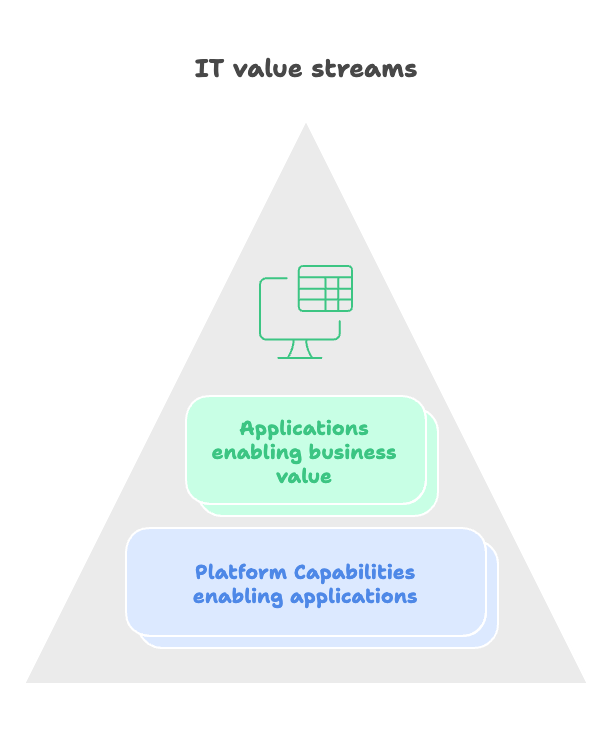
    At a strategic level, an enterprise IT organization exists to deliver two primary value streams:


    Business Applications — the software systems that directly enable business capabilities, customer engagement, operational workflows, and decision-making. Business applications are how the enterprise interacts with the world.

    Platform Capabilities — the shared systems and services that provide the foundations, tools, and infrastructure for building, deploying, securing, and scaling those business applications. Platform capabilities are how IT makes that delivery repeatable, secure, efficient, and fast.

    While many organizations have embraced agile and product thinking for business applications, the platform side often remains siloed, underfunded, and organized around legacy service models. That gap increasingly limits enterprise agility.

    Most organizations — if they haven’t already — are moving to structure their delivery teams around value streams, aligning to frameworks like SAFe (Scaled Agile Framework) and the organizational guidance found in Team Topologies (by Matthew Skelton and Manuel Pais). This shift enhances focus, flow, and customer-centricity — but it’s only part of the puzzle. 


    1. What is a Platform Team?

    A platform team, as defined in Team Topologies (by Matthew Skelton and Manuel Pais), is a team that provides internal products — reusable services, tools, and APIs — that enable other teams to deliver faster and with reduced complexity.

    These teams own platform capabilities like:

    • CI/CD pipelines
    • Cloud and infrastructure as code
    • Integration layers (e.g., APIs, Kafka, Event Hubs)
    • Data pipelines and ML ops
    • Identity and access services
    • Observability, logging, and monitoring

    Unlike shared services of the past, platform teams:

    • Act like product teams with backlogs, roadmaps, and internal user feedback
    • Deliver self-service capabilities that reduce cognitive load
    • Are measured by adoption, developer experience, and enablement

    2. Why Do Traditional IT Setups Struggle to Organize Around Platforms and Fund Them?

    The pivot to platform thinking is difficult because traditional IT is structured and funded in a way that resists it. Here’s why:

    🧱 Org Structure: Vertical Silos

    IT organizations are usually split by function — infrastructure, dev, QA, middleware, DBA, PMO — with their own leaders, tools, and goals.

    Infrastructure alone can include:

    Collaboration tools and endpoint management

    L1/L2 support and service desk

    Compute and network

    DBAs

    Middleware (e.g., SFTP servers, ESBs, Kafka)

    Cloud operations

    These teams may account for 25–50% of IT headcount, but rarely operate with a product mindset. They’re optimized for uptime and compliance, not enablement.

    💰 Budgeting: CapEx Mindset

    These functions are often treated as fixed cost centers, capitalized and depreciated over time. Their budgets are static, tied to hardware cycles and licensing agreements.

    So when a product-aligned team proposes a data platform, finance may ask:

    “Don’t we already pay DBAs for that?”

    Or when an integration platform is proposed, leadership may push back:

    “Isn’t that what middleware does?”

    This conflation of new platforms with legacy roles makes it almost impossible to justify funding — unless the org reframes platform as a modernization of the existing cost base, not an additional layer.

    🧠 No Product Orientation

    Infrastructure and middleware teams usually lack:

    • Internal roadmaps
    • Customer feedback cycles
    • Delivery metrics tied to business outcomes

    They operate via tickets and SLAs, not OKRs and value streams. Without a shift to a product mindset, platform teams will never emerge — and the agility of business teams will be blocked by outdated ways of working.


    3. What Happens If Agile Product Teams Exist Without Platform Thinking?

    This results in a split-brain IT model:

    Product TeamsPlatform / Infra Teams
    Agile, sprint-based, backlog-drivenWaterfall, ticket-based, siloed
    Rapid iterationSlow provisioning cycles
    Focus on customer valueFocus on system uptime
    Empowered, autonomousConstrained, reactive

    This leads to:

    • Coordination overload
    • Delays in delivery
    • Frustration between teams
    • Duplicated effort and tool sprawl

    Without aligning platform teams to the same agile operating model, agility becomes inconsistent, unsustainable, and fragmented.


    4. How Can You Fund and Organize Platform Teams Effectively?

    To address this challenge, CIOs and architecture leaders must take deliberate steps to modernize both the structure and financial treatment of platform work.

    ✅ Organizationally:

    • Restructure existing infra, middleware, and data teams into cohesive platform teams aligned to internal products.
    • Assign clear ownership for domains (e.g., cloud, integration, observability).
    • Build team charters focused on accelerating developer velocity and improving delivery experience.
    • Embed feedback loops with product teams to drive prioritization and platform adoption.

    💸 Financially:

    • Shift platform funding from static CapEx models to value stream–oriented OpEx models.
    • Reclassify platform investments as part of the cost of product delivery.
    • Fund via agile portfolios or capacity-based budgeting, not just project codes.
    • Measure platform ROI through adoption, reuse, and reduction in duplicated tooling.

    🧠 Final Takeaway

    Enterprise IT is no longer just a service provider. It’s a product organization with two responsibilities:

    1. Delivering digital business capabilities through applications.
    2. Enabling those capabilities at scale through modern platform systems.

    If only one of these functions evolves with the business, enterprise agility will stall.
    The shift to platform teams isn’t optional — it’s how IT becomes a strategic enabler of speed, safety, and scale.

  • As organizations mature their product and platform operating models, a new opportunity emerges for Enterprise Architects: transitioning from technology stewards to platform product owners.

    This shift allows architecture to play a more embedded, accountable role in delivering value while still ensuring technology coherence and long-term viability.


    🏗️ Platforms Need Product Thinking

    In agile, product-centric organizations, value stream-aligned teams typically include:

    • Product Owners — responsible for prioritization, customer outcomes, and business alignment
    • Portfolio Architects — providing guidance across multiple products to ensure coherence and scalability

    However, platform teams are often left out of this structure, defaulting to deeply technical, ticket-driven operations. This creates a gap:

    • Platforms lack roadmaps aligned with business demand
    • Decision-making becomes reactive and cost-driven, not value-oriented
    • There’s no clear owner responsible for platform usability, adoption, or lifecycle management

    While value stream teams have strong product management, platform teams often don’t — and this is where Enterprise Architects can step in.


    🎯 The Enterprise Architect as Platform Product Owner

    Enterprise Architects with domain expertise (e.g., in integration, data, identity, DevOps, or cloud) are well positioned to become Platform Product Owners (PPOs):

    Traditional EA RolePlatform Product Owner
    Sets reference architectureOwns platform roadmap
    Evaluates toolsManages platform backlog
    Provides governanceGathers feedback from internal users
    Writes guidelinesPrioritizes features for usability and scalability

    This evolution shifts architects from advisory to delivery ownership, allowing them to:

    • Drive platform adoption through self-service and enablement
    • Align platform capabilities to product team needs
    • Track and improve internal platform metrics (e.g., time to onboard, NPS, cost per transaction)

    👥 Who Should Be the Platform Product Owner?

    The Platform Product Owner (PPO) role is not about title — it’s about mindset and accountability.

    In practice, this role can be filled by:

    • A technically strong Enterprise Architect who evolves from governance to ownership, or
    • A forward-looking delivery head who is willing to operate with a product mindset

    What matters is that this individual:

    • Prioritizes platform usability, adoption, and internal customer experience
    • Maintains a clear, funded roadmap with measurable outcomes
    • Owns delivery, support, and continuous improvement
    • Acts as a bridge between strategy (architecture) and execution (engineering)

    The shift is from managing resources to managing outcomes — regardless of the person’s starting point.

    This flexibility avoids rigid org structures and allows organizations to leverage existing talent as long as they embrace the platform-as-product philosophy.

    🧠 The Role of Lean Architecture in a Modern IT Org

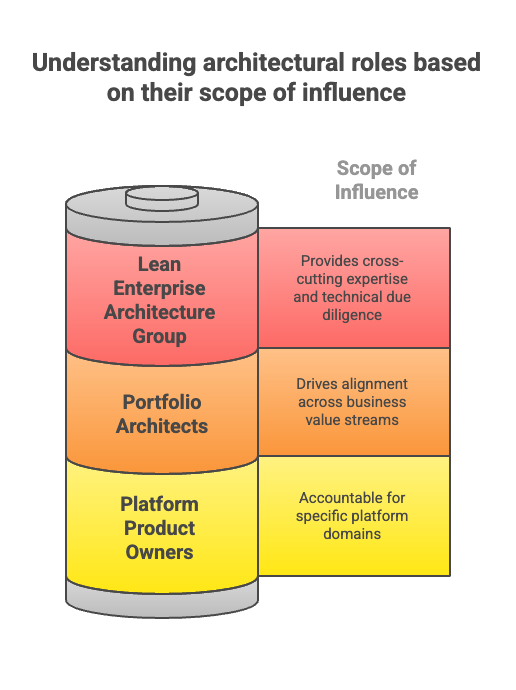
    Rather than operating as a large, centralized “Ivory Tower,” modern Enterprise Architecture can evolve into three distinct, lean functions:

    Lean Enterprise Architecture Group — a small, strategic team providing cross-cutting expertise and technical due diligence

    Portfolio Architects — embedded in business value streams to drive alignment across domains

    Platform Product Owners — accountable for specific platform domains (e.g., integration, data, DevOps)

    This structure increases clarity, reduces friction, and enables architectural impact where it matters most — in delivery.

    🔄 Reporting Structures and Architecture Community

    The reporting structure for architects and platform product owners does not need to be centralized under a formal enterprise architecture organization. In fact, many organizations align architecture roles within delivery or platform organizations to maintain close proximity to execution.

    What’s critical, however, is to preserve a strong architecture community that promotes:

    • Knowledge sharing across domains
    • Reuse of patterns and standards
    • Peer reviews and architectural consistency

    The Lean Enterprise Architecture Group plays a key role here, acting as a bridge across teams and ensuring continuity and alignment of architectural direction across the enterprise.


    📈 Why This Transition Matters

    Without product ownership, platforms risk stagnation, poor adoption, and misalignment. Transitioning Enterprise Architects into Platform Product Owners:

    • Brings strategic oversight to platform investments
    • Elevates the role of architecture in measurable outcomes
    • Reinforces a product mindset across all layers of IT

    It transforms platforms from technical utilities into internal products that enable scale, velocity, and optionality.


    ✅ Takeaway

    Enterprise Architects must evolve from governance-only roles to hands-on platform product leaders for the platforms they’ve long guided.

    The future of architecture is not just about setting standards — it’s about owning and evolving the internal products that power the enterprise.

  • With a modern reference architecture, a redefined platform operating model, and a platform leader who embraces a forward-looking, product-oriented mindset, the stage is set to do more than streamline IT delivery. This team is now positioned to drive measurable cost savings , vendor management and reduce inefficiencies across the CIO organization.

    🔁 From Fragmentation to Integrated Oversight

    By consolidating labor spend and software spend under platform teams, enterprises gain the ability to:

    • Continuously evaluate current technologies in use
    • Anticipate growth and capacity needs
    • Conduct market scans to assess cost-effective alternatives
    • Minimize vendor lock-in by maintaining multi-vendor strategies

    This is where platform teams evolve from enablers to strategic cost optimizers.


    🧩 Integration Platform Example

    A practical example is the integration platform. For a large enterprise:

    Legacy integration tools may continue to exist during the transition phase.

    A single-vendor solution is rarely sufficient.

    Most adopt a combination of cloud-native services and two or more iPaaS (integration platform as a service) tools.

    The platform team should take ownership of evaluating and defining key metrics—such as cost per transaction—to benchmark performance across vendors. Lower-cost alternatives can be introduced incrementally for new use cases, while legacy platforms are phased out naturally through broader business-led transformations. One critical risk to manage: the temptation to pursue “technology for technology’s sake,” where teams adopt new tools without a clear business need or value proposition.

    To avoid this:

    • Use NPV-based solution evaluation to assess migration and licensing costs (as outlined in a previous blog).
    • Only onboard new tools where there is a clear business case, TCO advantage, or risk mitigation need.

    When legacy platforms approach end of life, replatforming becomes necessary.


    💵 Optimizing Labor Allocation

    Cost optimization isn’t just about software — labor spend is equally crucial.

    For example:

    • If four engineers manage integrations for a customer group, but a modern platform can do the same with one, it creates an opportunity to redeploy or reduce labor cost.
    • Platform teams can standardize, automate, and optimize delivery pipelines, freeing up expensive resources.

    Spend optimization is measurable — platforms should track cost-per-feature, cost-per-integration, and time-to-delivery metrics.


    🧾 Strengthening Vendor Management

    One of the most impactful levers for cost control is active vendor management. When platform teams are centrally organized, they are better positioned to:

    Coordinate vendor selection with product roadmaps and cloud strategies

    Negotiate strategic contracts with enterprise-level visibility

    Leverage usage data and performance metrics in renewal discussions

    Maintain competitive pressure through multi-vendor ecosystems

    Platform teams also help avoid fragmented procurement by serving as a centralized control point for:

    • Software licensing
    • Contract lifecycle oversight
    • Vendor evaluation and onboarding

    By linking vendor decisions to internal KPIs (cost per integration, transaction volume, availability, etc.), organizations can avoid lock-in, reduce surprises at renewal, and proactively plan exits or shifts when necessary.

    Centralized platform governance transforms vendor management from a reactive negotiation to a strategic, data-informed advantage.


    🤝 Federating Work and Managing Lock-in

    Many enterprises federate some development work (like integration development on iPAAS) to delivery teams for agility. While this enables speed, it introduces risks:

    • Inconsistent tooling
    • Shadow IT procurement
    • Tighter vendor lock-in and higher switching costs

    Platform teams should retain control over:

    • Core integration and data platforms
    • Centralized contracts and licensing
    • Strategic tooling and infrastructure

    Federate where speed is critical and cloud native technologies, but centralize ownership where risk and cost are high.

    As organizations adopt more SAAS-based systems (most of which include their own data and integration layers), the need for aggressive federation declines.


    🧠 Takeaway

    By organizing specific platform teams, organizations:

    • Empower teams to act with ownership
    • Align platform strategy with business outcomes
    • Optimize both labor and software costs
    • Strengthen vendor management across the IT estate
    • Gain agility in replatforming and contract negotiations

    Technology Spend optimization becomes a tangible, continuous outcome — not a one-time budgeting exercise. Platform teams can and should be measured on their ability to reduce cost, minimize lock-in, and maintain future optionality.